Written one week after 9/11:
It took nearly a week for the leader of the free world to speak out against vigilante reprisals for
the 9/11 attacks - a week in which there were over 200 hate crimes against Arab and Muslim
Americans, as well as lots of people who happened to look the part.
It would have been helpful to have heard this sort of thing the night of the first address from the
Oval Office; I was hoping against hope for it. Analogies to Pearl Harbor had abounded all day long;
it could have been made clear from the start that we would not repeat the shameful episode in which
Americans of Japanese descent were herded into internment camps. Many of these recent hate crimes
could have been prevented had someone in the executive branch shown a little leadership. Exactly the
same thing happened during the Gulf War, so it's not as if this ugliness was unexpected.
Showing posts with label 2001. Show all posts
Monday, April 18, 2011
Tuesday, April 5, 2011
2001: Record Industry Weasels
You can’t have records without a record company - or at least that’s the way it used to be. Now that both artists and consumers have other options, you’d think the industry weasels would go out of their way to avoid pissing us off any further. But of course, exactly the opposite is the case. Intent on trying to replicate the CD revolution, when millions of us paid twice as much for music we already owned, the Big Five record companies are desperately trying to smash Napster and anything else that threatens their stranglehold on distribution.
They’ll fail, of course - but not without doing a lot of damage in the process. There will never be a foolproof copy-protected form of digital music. That doesn’t mean that people will stop paying for music. If the universal jukebox of recorded music is made available at a reasonable price, people will pay to access it, rather than spend time searching and downloading. File trading should be an asset to that process, helping to break artists the industry is too clueless to promote. But remember that the record companies originally sued to prevent records from being played on the radio.
Friday, March 11, 2011
2001: The Covert War Against Rock
Speaking of crackpot conspiracy theories, I got a million of them. While it's certainly valid that extraordinary claims require extraordinary evidence, it's also the case that the Official Story from the government is often a most extraordinary claim without a great deal of supporting evidence. Which, of course, requires us to theorize about what really happened.....
From the beginning, rock music has been about rebellion, sexuality and racial intermingling. And right from the beginning, there have been powerful forces utterly freaked out by that agenda. It's the premise of Alex Constantine's book The Covert War Against Rock (Feral House, 2000) that those folks didn't exactly shrink from the occasional use of lethal force.
Doubtless for some of you that thesis is relatively near-fetched. But we do live in a culture where information conglomerates still try to convince us that powerful political figures of the sixties were taken out by a series of Lone Nuts. Corporate media pundits invoke the magic words "conspiracy theory" to settle any argument. But Constantine marshals an impressive range of evidence in chronicling the suspicious circumstances regarding some famous exits. The wordy subtitle reads "What You Don't Know About the Deaths of Jim Morrison, Tupac Shakur, Michael Hutchence, Brian Jones, Jimi Hendrix, Phil Ochs, Bob Marley, Peter Tosh, John Lennon and The Notorious B.I.G."
Covert War starts by looking at the overlapping worlds of government intelligence agencies, organized crime, and virulent right-wing wackos - noting helpfully that each group has had a hand in the music business from time to time. They've worked together in the past to take out common enemies, both foreign and domestic; many such cases are discussed in my own book The CIA's Greatest Hits
(Odonian, 1994). The Agency is particularly adept at terminating inconvenient humans using coroner-baffling methods that mimic natural causes. And if they can apply such skills to politicians (and, erm, journalists), well, hey, what's a rock star or two for good measure?
From the beginning, rock music has been about rebellion, sexuality and racial intermingling. And right from the beginning, there have been powerful forces utterly freaked out by that agenda. It's the premise of Alex Constantine's book The Covert War Against Rock (Feral House, 2000) that those folks didn't exactly shrink from the occasional use of lethal force.
Doubtless for some of you that thesis is relatively near-fetched. But we do live in a culture where information conglomerates still try to convince us that powerful political figures of the sixties were taken out by a series of Lone Nuts. Corporate media pundits invoke the magic words "conspiracy theory" to settle any argument. But Constantine marshals an impressive range of evidence in chronicling the suspicious circumstances regarding some famous exits. The wordy subtitle reads "What You Don't Know About the Deaths of Jim Morrison, Tupac Shakur, Michael Hutchence, Brian Jones, Jimi Hendrix, Phil Ochs, Bob Marley, Peter Tosh, John Lennon and The Notorious B.I.G."
Covert War starts by looking at the overlapping worlds of government intelligence agencies, organized crime, and virulent right-wing wackos - noting helpfully that each group has had a hand in the music business from time to time. They've worked together in the past to take out common enemies, both foreign and domestic; many such cases are discussed in my own book The CIA's Greatest Hits
Monday, March 7, 2011
2001: Copy Protection for Whom?
So, according to the General Theory of the Crap Cycle, rock music goes through periodic bursts of innovation, followed by periods of stagnation. And as I mentioned when I reposted it, the problem with my theory is that after the four messiahs who kicked off each cycle (Elvis in '54, Beatles in '64, Pistols in '77, Nirvana in '93) I wasn't sure when the next cycle began... or ended.
I considered whether Eminem might have been the figure in question, given his sales figures over the past decade. Now I'm wondering if it wasn't a person at all. Maybe Napster was the messiah?
Each of the four previous messiahs shook up the music industry, as well as the culture of music. Napster certainly did the former, but the latter, not so much. It did change the relationships between musicians and their fans - and between both camps and the music industry. For smaller bands, file-sharing proved to be a potent promotional tool. Established bands, like Metallica, saw it as a revenue drain. But either way, it contributed to a steep decline in CD sales.
iTunes showed that millions of users were willing to pay for downloads, but only after Napster had been stomped into submission, while millions of users switched to other peer-to-peer networks. There was a moment when Napster could have been legitimized, but it passed, and we'll never know what might have been.
It's as if the four or five branches of the One Big Global Record Company had all gotten together to figure out the best way to annoy their customers. So they came up with the musical equivalent of New Coke: copy-protected CDs.
The BMG branch test-marketed a bunch of them in Europe a few months ago, and had to back off after floods of complaints from consumers who couldn't play the new discs in their home players. Meanwhile songs from a copy-protected Charley Pride CD showed up online about fifteen minutes after it was released. Who knew Charley Pride fans were so plugged in?
I considered whether Eminem might have been the figure in question, given his sales figures over the past decade. Now I'm wondering if it wasn't a person at all. Maybe Napster was the messiah?
Each of the four previous messiahs shook up the music industry, as well as the culture of music. Napster certainly did the former, but the latter, not so much. It did change the relationships between musicians and their fans - and between both camps and the music industry. For smaller bands, file-sharing proved to be a potent promotional tool. Established bands, like Metallica, saw it as a revenue drain. But either way, it contributed to a steep decline in CD sales.
iTunes showed that millions of users were willing to pay for downloads, but only after Napster had been stomped into submission, while millions of users switched to other peer-to-peer networks. There was a moment when Napster could have been legitimized, but it passed, and we'll never know what might have been.
It's as if the four or five branches of the One Big Global Record Company had all gotten together to figure out the best way to annoy their customers. So they came up with the musical equivalent of New Coke: copy-protected CDs.
The BMG branch test-marketed a bunch of them in Europe a few months ago, and had to back off after floods of complaints from consumers who couldn't play the new discs in their home players. Meanwhile songs from a copy-protected Charley Pride CD showed up online about fifteen minutes after it was released. Who knew Charley Pride fans were so plugged in?
Thursday, February 17, 2011
2001: Em versus Em
When I reposted my General Theory of the Crap Cycle, concerning the rise and fall of rock messiahs (Elvis, Beatles, Pistols, Nirvana), I mused that the theory seemed to be falling apart, since there hadn't been a new messiah since Cobain. I've been ruminating about a few possible contenders, and after Sunday night's Grammy show, I wonder if the messiah wasn't Eminem, circa 2000. There's nothing in my theory that says I have to like the new messiah, after all. And if you look at his sales figures, he's one of the few saviors for the record industry over the past decade. His influence may not be as far-reaching as previous messiahs - though he may have contributed to the more introspective nature of rappers in this century. And no less a self-promoter than Kanye has said that there may never be a better rapper than Marshall Mathers.
I have warmed up to him in the decade since I wrote this. I do carry a few Eminem songs on my iPod, and I thoroughly enjoyed his anti-Bush video back in '08. But I generally don't carry that level of rage inside me, so I sometimes have trouble relating. Props to his creativity and mad flow (and for getting sober); frownie faces for his continued Em-phasis on violence. It's quintessesntially American, though - so maybe he was the fifth coming of Elvis, after all (or maybe not - I have a couple other contenders in mind).
Monday, February 14, 2011
2001: The Heart of the Beef
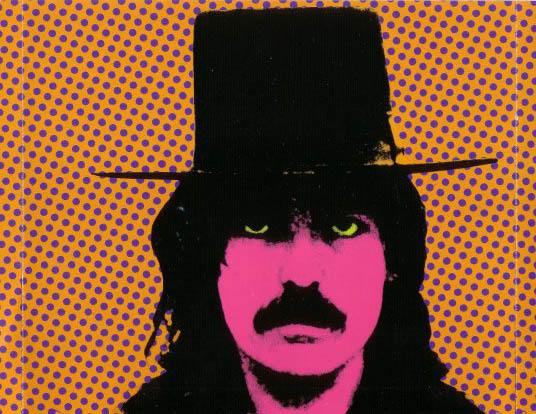
Certainly it was gratifying to see the face of Captain Beefheart on my TV last night, if only for a fleeting second or two. He shared a screen with Malcolm McLaren during the annual Grammy tribute to those who have passed. Don Van Vliet's dust blew back whence it came just a few weeks before I started this blog, and I never wrote a proper obituary for him.
And frankly, others have done it better than I could have. The LA Weekly, Rolling Stone, and Pitchfork all posted eloquent tributes. Tristero, the resident composer at the Hullabaloo blog, shared his memories. And WFMU posted the not-to-be missed "Captain Beefheart's 10 Commandments of Guitar Playing."
Van Vliet's passing was a sad day for me. Alas, I was riding in a car with my sister, when a Captain Beefheart song came on the radio. OOOh, I love Captain Beefheart, I sang out, twisting up the volume. We listen to his faraway voice singing about emerging from a triangle, and then the DJ comes on to say, "That was Captain Beefheart, may he rest in peace." OH!
My wife and kids more or less bemusedly endured my mourning, as I listened disconsolately to what I usually spare them. Describing his appeal, even accounting for my genetic mutation that renders dissonance soothing to my ears, is elusive. But I dug up this correspondence in reply to friend who had a beef with my Hall of Lame rant, and had asked for an explanation of why Captain Beefheart, of all people, belongs in the Rock & Roll Hall of Fame:
Saturday, February 5, 2011
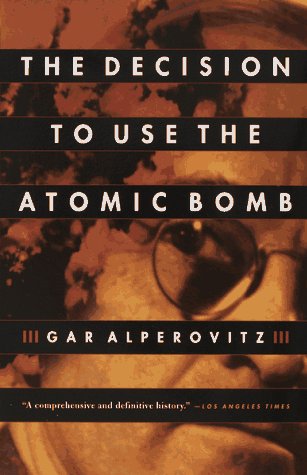
2001: Hiroshima Didn't Have to Happen
This appeared as an op-ed in the August 18, 2001 issue of the Arizona Daily Star, earning me an irate 6am phone call from a WWII vet, and lots of interesting mail, some of it civil.
"A long habit of not thinking a thing wrong gives it a superficial appearance of being right, and raises at first a formidable outcry in defense of custom." - Thomas Paine, "Common Sense," 1776
Fifty-six years ago this month, we became the first and only nation to use nuclear weapons in warfare. The world was told that the atomic bombings of Hiroshima and Nagasaki were justified in order to bring a swift end to the war without a costly and bloody invasion of Japan's home islands. This, to put it charitably, was a lie. No less an authority than General Dwight Eisenhower has stated unequivocally: "It wasn't necessary to hit them with that awful thing."
Yet millions of Americans still believe what they were told in August of 1945, well before the experience of being regularly deceived by our government became commonplace. As we saw with the controversies surrounding the 50th anniversary exhibition at the Smithsonian, many are outraged by anyone who agrees with Eisenhower's views. But Eisenhower was hardly alone at the time.
"A long habit of not thinking a thing wrong gives it a superficial appearance of being right, and raises at first a formidable outcry in defense of custom." - Thomas Paine, "Common Sense," 1776
Fifty-six years ago this month, we became the first and only nation to use nuclear weapons in warfare. The world was told that the atomic bombings of Hiroshima and Nagasaki were justified in order to bring a swift end to the war without a costly and bloody invasion of Japan's home islands. This, to put it charitably, was a lie. No less an authority than General Dwight Eisenhower has stated unequivocally: "It wasn't necessary to hit them with that awful thing."
Yet millions of Americans still believe what they were told in August of 1945, well before the experience of being regularly deceived by our government became commonplace. As we saw with the controversies surrounding the 50th anniversary exhibition at the Smithsonian, many are outraged by anyone who agrees with Eisenhower's views. But Eisenhower was hardly alone at the time.
2001: Mind Out of Time: The Seven Ages of Bob
This was written to celebrate the release of "Love and Theft," which was issued on September 11, 2001. It appeared in In These Times magazine. As for the bit at the end, well, I never claimed to be a prophet.
On the occasion of "Love and Theft", Bob Dylan’s 30th studio album in 40 years (not counting 1973's Dylan, an unauthorized outtake collection) it seemed an appropriate time to reflect on Bob’s effect on American culture - and vice versa. Suffice it to say that the new album will give you much to chew on. The arrangements continue to reflect Bob’s estrangement from contemporary life, with nods to the 30s, 40s and 50s, while the words show a mixture of disillusionment and wisdom earned in sixty years on the planet. Bob’s voice now sounds like he’s about a hundred years old, but that seems only fair, since he sounded like he was sixty when he was twenty...
Sunday, January 23, 2011
2001: Sir Paul Looks Back
I have to say that Sir Paul's batting average has only improved in the decade since I wrote this, thanks to the very satisfying Electric Arguments and a number of highlights from Memory Almost Full and Chaos and Creation.
If the Beatles were quite obviously greater than the sum of their parts, on their own they were just as clearly, er, those parts. As a Lennon partisan, I always argue that he had the best batting average among the ex-Fabs. That is, out of the total number of tracks issued, he had the fewest percentage that were absolute embarrassments to the Beatles legacy.
But it can also be argued that McCartney's prolific nature dragged down his own average. Without any peers around to rein in his excesses (or inspire self-censorship), Sir Paul continued to fill album after album (twenty studio discs to date) with bushels of chaff and a few kernels of wheat. Just as a stopped clock is right twice a day, every Macca disc can be counted on to have at least one overlooked gem. But who's got the patience to sort through them all?
It's a situation that calls out for a smart compilation, but unfortunately, Wingspan is not that anthology. Consumer alert: the first disc (Hits) has seventeen tracks in common with his 1987 best-of (All the Best!), which itself duplicated 75% of his 1978 best-of (Wings Greatest). But nearly all of them are the same overplayed radio fluff that's emblematic of his solo career: flashes of brilliance surrounded by awesome banality. What the Cute One really needs is a compilation of his greatest non-hits.
Unfortunately, the second disc (History) isn't exactly that. Which is not to say it doesn't have a lot of worthy material, but much of it is shoulda-been hits like "Too Many People" and "Helen Wheels" or almost-hits like "Maybe I'm Amazed" and the great "Every Night." See, chart position is how Paul knows we love him. Always thin-skinned to criticism, he repeatedly points to his sales figures as evidence of his continued worth.
But if Sir Paul or his label had decided that everybody who wants to endlessly replay "Silly Love Songs" or "Jet" on their home stereo already owned one of the other anthologies, there might have been room for less commercial highlights like "Picasso's Last Words" or "Little Lamb Dragonfly." More to the point, there could have been more material post-dating Lennon's demise, which is when Paul's batting average mysteriously began to improve. My theory is that his old mate has been haunting him ever since, mercilessly ridiculing his more "fruity" efforts, and demanding more consistent and less frequent releases.
Before John left the planet, McCartney's undeniable talents as a melodist and arranger were reflected in ear-candy hits and charming obscurities alike. But after 1980, Macca concentrated more on the quality of his lyrics, built on his legacy as one of rock's all-time greatest bassists, and began to seek out collaborators more worthy of him - notably Elvis Costello, but also including Stevie Wonder, Stanley Clarke, David Gilmour and Dave Edmunds. Unfortunately, none of that material finds its way onto Wingspan. Neither does any of the experimental work, often issued pseudonymously, which culminated in last year's Liverpool Sound Collage, in which Sir Paul makes like a middle-aged Beck.
I guess all of that will have to wait for the inevitable Paul McCartney boxed set. But for his sake, I hope England's richest rocker lets the ghost of John Lennon pick the tracks.
UPDATE: I don't think I made myself perfectly clear in this review. The fact is, I get a kick of of most of McCartney's fluffy pop hits (though the fluffiest among them tend to wear out their welcome). It's just that I didn't think that the anthology in question fully reflected the breadth of his talent. Though it was issued in 2001, the most recent track was then 15 years old, and thus it skipped over what is arguably some of Paul's most vital solo work. Here's hoping for a new compilation oriented more to the last 25 years.
If the Beatles were quite obviously greater than the sum of their parts, on their own they were just as clearly, er, those parts. As a Lennon partisan, I always argue that he had the best batting average among the ex-Fabs. That is, out of the total number of tracks issued, he had the fewest percentage that were absolute embarrassments to the Beatles legacy.
But it can also be argued that McCartney's prolific nature dragged down his own average. Without any peers around to rein in his excesses (or inspire self-censorship), Sir Paul continued to fill album after album (twenty studio discs to date) with bushels of chaff and a few kernels of wheat. Just as a stopped clock is right twice a day, every Macca disc can be counted on to have at least one overlooked gem. But who's got the patience to sort through them all?
It's a situation that calls out for a smart compilation, but unfortunately, Wingspan is not that anthology. Consumer alert: the first disc (Hits) has seventeen tracks in common with his 1987 best-of (All the Best!), which itself duplicated 75% of his 1978 best-of (Wings Greatest). But nearly all of them are the same overplayed radio fluff that's emblematic of his solo career: flashes of brilliance surrounded by awesome banality. What the Cute One really needs is a compilation of his greatest non-hits.
Unfortunately, the second disc (History) isn't exactly that. Which is not to say it doesn't have a lot of worthy material, but much of it is shoulda-been hits like "Too Many People" and "Helen Wheels" or almost-hits like "Maybe I'm Amazed" and the great "Every Night." See, chart position is how Paul knows we love him. Always thin-skinned to criticism, he repeatedly points to his sales figures as evidence of his continued worth.
But if Sir Paul or his label had decided that everybody who wants to endlessly replay "Silly Love Songs" or "Jet" on their home stereo already owned one of the other anthologies, there might have been room for less commercial highlights like "Picasso's Last Words" or "Little Lamb Dragonfly." More to the point, there could have been more material post-dating Lennon's demise, which is when Paul's batting average mysteriously began to improve. My theory is that his old mate has been haunting him ever since, mercilessly ridiculing his more "fruity" efforts, and demanding more consistent and less frequent releases.
Before John left the planet, McCartney's undeniable talents as a melodist and arranger were reflected in ear-candy hits and charming obscurities alike. But after 1980, Macca concentrated more on the quality of his lyrics, built on his legacy as one of rock's all-time greatest bassists, and began to seek out collaborators more worthy of him - notably Elvis Costello, but also including Stevie Wonder, Stanley Clarke, David Gilmour and Dave Edmunds. Unfortunately, none of that material finds its way onto Wingspan. Neither does any of the experimental work, often issued pseudonymously, which culminated in last year's Liverpool Sound Collage, in which Sir Paul makes like a middle-aged Beck.
I guess all of that will have to wait for the inevitable Paul McCartney boxed set. But for his sake, I hope England's richest rocker lets the ghost of John Lennon pick the tracks.
UPDATE: I don't think I made myself perfectly clear in this review. The fact is, I get a kick of of most of McCartney's fluffy pop hits (though the fluffiest among them tend to wear out their welcome). It's just that I didn't think that the anthology in question fully reflected the breadth of his talent. Though it was issued in 2001, the most recent track was then 15 years old, and thus it skipped over what is arguably some of Paul's most vital solo work. Here's hoping for a new compilation oriented more to the last 25 years.
Friday, January 21, 2011
2001: General Theory of the Crap Cycle
Of course, one might argue that just like Keynes' General Theory, this one has been subverted by unpredicted phenomena. In his case, stagflation. In this case, that no new "rock messiah" has yet emerged, 20 years since the last cycle began. Or have they? I have at least one candidate in mind, but I'd rather hear what you think.
Rock music has been through four distinct crap cycles since Elvis cut his first sides in 1954. In each case, a messiah figure emerges, consolidating and popularizing what had previously been underground styles. And every time, record company weasels are mostly taken by surprise by the commercial potency of music they had previously disdained or ignored; in a panic, they attempt to sign similar musicians as soon as possible. The result is an explosion of creativity as musicians explore the inspiring new sounds (and freshly opened marketplace) in thousands of different ways. In much the same way, the unexpected success of the low-budget film Easy Rider led to studio moguls granting unprecedented artistic control to then-unknown filmmakers like Coppola, Scorcese, Spielberg and Lucas. The moguls were suddenly uncertain of their own ability to predict potential hit films, so they let the whiz kids have their way — for a while.
Of course, before too long, the second half of the crap cycle emerges: the crap explosion. The record company weasels (like the studio moguls) come to believe they have it all figured out once again. They distill the most commercial aspects of the new sound, and align their promotional muscle towards marketing those sounds they deem most likely to appeal to the widest possible range of mainstream tastes. The radio is flooded with dozens of sound-alike bands. Those who embody the spirit that made the new music exciting in the first place are relegated to cult status, or remain in the underground. Meanwhile, the original messiah has long since burned out, or shows only sporadic flashes of the original brilliance.
When the Elvis nova first lit up the sky, "race music" was suddenly reborn as rock & roll, the most popular music in the land. People had been making such music for at least a decade before that, but it was an underground phenomenon, documented in the R&B charts. In 1954, the radio was ruled by crap like "Doggie in the Window" and "Oh Mein Papa." When the hillbilly kid swept all that off the charts, he also opened up commercial space for other first-generation rockers. It doesn’t mean there wasn’t still a lot of bland crap on the radio; ’twas ever thus. But a window of opportunity had opened up.
By decade’s end, it had slammed shut. Elvis was in the army, Buddy Holly was dead, Chuck Berry was in jail, Jerry Lee Lewis in disgrace. And the airwaves belonged to Pat Boone and Frankie Avalon and Paul Anka and worse. Doesn’t mean there wasn’t some worthwhile stuff, but there was a lot less of it. That’s the pop landscape the Beatles found when they hit the US in 1964; they discovered they had to sell rock & roll to the Americans all over again. They were inspired by Elvis and the other early rockers, but also by the blues and R&B records that had set the stage for the first cycle. The Beatles also helped to popularize any number of black musicians who were relegated to the underground during the nadir of the crap cycle, and showed a knack for synthesizing emerging pop trends throughout their career.
And of course, they let a thousand flowers bloom. Along with those who followed in their wake — Dylan, Stones, Who, Kinks, Cream, Hendrix, and the re-energized Motown and Stax musicians — they turned rock & roll into a billion-dollar industry called "rock." So you all know what comes next.
By the time I was graduating from high school, in 1975, American radio was pummeling its listeners with some of the most amazingly crappy music of all time. Like I said before, there’s always been crappy music. But there’s never been a crap explosion of the likes of the mid-70s. Not only mind-numbing singles like "The Night Chicago Died," "Kung Fu Fighting," "Afternoon Delight," and... please don’t make me go on. I know they’re all humorously nostalgic little oddities now, but it was quite painful at the time, particularly if you could still recall when, just a few years before, the airwaves were ruled by giants. And meanwhile, the weasels were foisting crap like Journey and Foreigner on the masses, and making buttloads of money doing it. That was the pop universe the Sex Pistols invaded in 1977.
Johnny Rotten was quite explicit in his intention to destroy all that crap, which was what made his moment so exhilarating. The implicit critique was that "rock" had become a bloated dinosaur music, cranked out by rich, bored, stoned old farts, but also that it had simply become a cog in the machine of corporate capitalism. Which was true enough in a general sense, but the Pistols and their comrades built on the tradition left to them by their elders in the underground: Velvets, Stooges, Beefheart, MC5, Dolls, Ramones, as well as by cult oddities like Can and Lee "Scratch" Perry.
The next phase of the crap cycle was an odd one. The Pistols burned out much quicker than your average messiah figures (as seen in the fine new documentary The Filth and the Fury, at a video store near you). Like previous revolutionaries, they opened the marketplace for new sounds, and the Clash, Costello, Talking Heads, Devo and others rushed in to fill the vacuum previously occupied by the naked emperor. But much of this music stayed in the underground, and preferred it there. Meanwhile, the industry was much quicker to co-opt and sanitize the revolution.
The energy unleashed by punk continued to reverberate, inspiring countless new bands, as well as veterans like Pete Townshend and Neil Young. But by the end of the 80s, we were swimming in crap again. Rebellious new sounds like metal and rap had been almost instantly repackaged for us as hair bands like Poison, Quiet Riot, take your pick, on the one hand; and buffoons like MC Hammer and Vanilla Ice on the other. MTV had long since taken over radio’s role of defining the mainstream. And then, just like the Hollywood executives who had no idea why Easy Rider was such a hit, the music industry was stunned when an unknown band from Seattle sold ten million copies of its second album, "Nevermind."
Once again, Nirvana inspired a tsunami of creativity, and weasels signed unknown bands for buckets of money in an attempt to recreate the platinum. And suddenly radio was fun again, as new "alternative" stations started breaking the rules and playing some of the great neglected underground bands who inspired the "new sound." And boy, that sure seems like a long time ago, doesn’t it?
I don’t have to tell you at what stage of the crap cycle we currently find ourselves. The dizzying and glorious possibilities are now tightly constricted. Alternative was swallowed whole in record time, and formula resumed its reign. Of course there’s plenty of wonderful stuff percolating through the underground aquifer, but the airwaves are mostly ruled by hypermasculine rap/metal or by prepackaged hyperfeminine divas. That, or hyperadolescent prepackaged boy bands. What’s maddening is that we can still remember when the rules were thrown away, and there was room for tough women and vulnerable men and genuinely innovative youngsters.
But that was a decade ago. What we need is a new messiah to rescue us from the crap, and, naturally, start the crap cycle in motion all over again. In one sense the cycle itself has been co-opted, institutionalized, and reborn as a marketing tool for squeezing marketability out of hungry rookies. But in another sense, it can never die, since inevitably someone will come along whom the industry will not expect, blasting out rebellious new sounds they had previously dismissed.
That’s the good news. The bad news is, it may still be a while. The first crap cycle lasted ten years, but the second was thirteen, and the third one, fourteen years. Now we’re only ten years into the fourth. Gawd only knows when the fifth crap cycle will emerge, but it won’t be a minute too soon.
Rock music has been through four distinct crap cycles since Elvis cut his first sides in 1954. In each case, a messiah figure emerges, consolidating and popularizing what had previously been underground styles. And every time, record company weasels are mostly taken by surprise by the commercial potency of music they had previously disdained or ignored; in a panic, they attempt to sign similar musicians as soon as possible. The result is an explosion of creativity as musicians explore the inspiring new sounds (and freshly opened marketplace) in thousands of different ways. In much the same way, the unexpected success of the low-budget film Easy Rider led to studio moguls granting unprecedented artistic control to then-unknown filmmakers like Coppola, Scorcese, Spielberg and Lucas. The moguls were suddenly uncertain of their own ability to predict potential hit films, so they let the whiz kids have their way — for a while.
Of course, before too long, the second half of the crap cycle emerges: the crap explosion. The record company weasels (like the studio moguls) come to believe they have it all figured out once again. They distill the most commercial aspects of the new sound, and align their promotional muscle towards marketing those sounds they deem most likely to appeal to the widest possible range of mainstream tastes. The radio is flooded with dozens of sound-alike bands. Those who embody the spirit that made the new music exciting in the first place are relegated to cult status, or remain in the underground. Meanwhile, the original messiah has long since burned out, or shows only sporadic flashes of the original brilliance.
When the Elvis nova first lit up the sky, "race music" was suddenly reborn as rock & roll, the most popular music in the land. People had been making such music for at least a decade before that, but it was an underground phenomenon, documented in the R&B charts. In 1954, the radio was ruled by crap like "Doggie in the Window" and "Oh Mein Papa." When the hillbilly kid swept all that off the charts, he also opened up commercial space for other first-generation rockers. It doesn’t mean there wasn’t still a lot of bland crap on the radio; ’twas ever thus. But a window of opportunity had opened up.
By decade’s end, it had slammed shut. Elvis was in the army, Buddy Holly was dead, Chuck Berry was in jail, Jerry Lee Lewis in disgrace. And the airwaves belonged to Pat Boone and Frankie Avalon and Paul Anka and worse. Doesn’t mean there wasn’t some worthwhile stuff, but there was a lot less of it. That’s the pop landscape the Beatles found when they hit the US in 1964; they discovered they had to sell rock & roll to the Americans all over again. They were inspired by Elvis and the other early rockers, but also by the blues and R&B records that had set the stage for the first cycle. The Beatles also helped to popularize any number of black musicians who were relegated to the underground during the nadir of the crap cycle, and showed a knack for synthesizing emerging pop trends throughout their career.
And of course, they let a thousand flowers bloom. Along with those who followed in their wake — Dylan, Stones, Who, Kinks, Cream, Hendrix, and the re-energized Motown and Stax musicians — they turned rock & roll into a billion-dollar industry called "rock." So you all know what comes next.
By the time I was graduating from high school, in 1975, American radio was pummeling its listeners with some of the most amazingly crappy music of all time. Like I said before, there’s always been crappy music. But there’s never been a crap explosion of the likes of the mid-70s. Not only mind-numbing singles like "The Night Chicago Died," "Kung Fu Fighting," "Afternoon Delight," and... please don’t make me go on. I know they’re all humorously nostalgic little oddities now, but it was quite painful at the time, particularly if you could still recall when, just a few years before, the airwaves were ruled by giants. And meanwhile, the weasels were foisting crap like Journey and Foreigner on the masses, and making buttloads of money doing it. That was the pop universe the Sex Pistols invaded in 1977.
Johnny Rotten was quite explicit in his intention to destroy all that crap, which was what made his moment so exhilarating. The implicit critique was that "rock" had become a bloated dinosaur music, cranked out by rich, bored, stoned old farts, but also that it had simply become a cog in the machine of corporate capitalism. Which was true enough in a general sense, but the Pistols and their comrades built on the tradition left to them by their elders in the underground: Velvets, Stooges, Beefheart, MC5, Dolls, Ramones, as well as by cult oddities like Can and Lee "Scratch" Perry.
The next phase of the crap cycle was an odd one. The Pistols burned out much quicker than your average messiah figures (as seen in the fine new documentary The Filth and the Fury, at a video store near you). Like previous revolutionaries, they opened the marketplace for new sounds, and the Clash, Costello, Talking Heads, Devo and others rushed in to fill the vacuum previously occupied by the naked emperor. But much of this music stayed in the underground, and preferred it there. Meanwhile, the industry was much quicker to co-opt and sanitize the revolution.
The energy unleashed by punk continued to reverberate, inspiring countless new bands, as well as veterans like Pete Townshend and Neil Young. But by the end of the 80s, we were swimming in crap again. Rebellious new sounds like metal and rap had been almost instantly repackaged for us as hair bands like Poison, Quiet Riot, take your pick, on the one hand; and buffoons like MC Hammer and Vanilla Ice on the other. MTV had long since taken over radio’s role of defining the mainstream. And then, just like the Hollywood executives who had no idea why Easy Rider was such a hit, the music industry was stunned when an unknown band from Seattle sold ten million copies of its second album, "Nevermind."
Once again, Nirvana inspired a tsunami of creativity, and weasels signed unknown bands for buckets of money in an attempt to recreate the platinum. And suddenly radio was fun again, as new "alternative" stations started breaking the rules and playing some of the great neglected underground bands who inspired the "new sound." And boy, that sure seems like a long time ago, doesn’t it?
I don’t have to tell you at what stage of the crap cycle we currently find ourselves. The dizzying and glorious possibilities are now tightly constricted. Alternative was swallowed whole in record time, and formula resumed its reign. Of course there’s plenty of wonderful stuff percolating through the underground aquifer, but the airwaves are mostly ruled by hypermasculine rap/metal or by prepackaged hyperfeminine divas. That, or hyperadolescent prepackaged boy bands. What’s maddening is that we can still remember when the rules were thrown away, and there was room for tough women and vulnerable men and genuinely innovative youngsters.
But that was a decade ago. What we need is a new messiah to rescue us from the crap, and, naturally, start the crap cycle in motion all over again. In one sense the cycle itself has been co-opted, institutionalized, and reborn as a marketing tool for squeezing marketability out of hungry rookies. But in another sense, it can never die, since inevitably someone will come along whom the industry will not expect, blasting out rebellious new sounds they had previously dismissed.
That’s the good news. The bad news is, it may still be a while. The first crap cycle lasted ten years, but the second was thirteen, and the third one, fourteen years. Now we’re only ten years into the fourth. Gawd only knows when the fifth crap cycle will emerge, but it won’t be a minute too soon.
Tuesday, January 18, 2011
2001: Joe Lieberman, Music Critic
I just heard today that Holy Joe Lieberman is retiring rather than get his butt kicked again in the Connecticut Democratic primary next year. In honor of his impending absence from public life (at least until he gets his talk show on Fox) I dug up this golden oldie from my ZiaZine column:
Here we go again. Puritanical blowhard Joe Lieberman has introduced the Media Accountability Act of 2001 in the US Senate, which calls for a new ratings system for the music industry. Worse, it would prohibit the “marketing” of “adult-rated” music to minor children. I’m no fan of the usurper regime currently occupying the White House, but I have to say this is one reason I’m glad Joltin’ Joe and Tipper’s husband aren’t running the show either.
Given the fact that Joe’s bill wouldn’t even pass scrutiny by the corrupt mediocrities on the current Supreme Court, you have to know it’s just posturing on his part. But it’s not exactly empty posturing, either. Let’s all remember what happened the last time around, when Mrs. Gore and her allies inspired a season of public hand-wringing and Congressional hearings over the corrupting influence of rock and rap on our nation’s impressionable youth. Just like the movie industry in the 30s and the comic book industry in the 50s, the music moguls caved in and came up with a “voluntary” system of self-regulation - those “parental advisory” stickers which can now be found on t-shirts in the hipper parts of town.
Just as Frank Zappa and other critics warned at the time, this voluntary self-censorship has evolved into a de facto public censorship, governed by Wal-Mart instead of the Federal Trade Commission. The big labels and the national retailers combine to coerce artists into releasing bowdlerized versions of their albums. If they refuse, they don’t get stocked. Meanwhile parents are lulled into the belief that avoiding any albums with the official Nasty sticker absolves them of the responsibility of checking out what little Janey and Johnny are listening to.
Except that the ambiguous standards on language and content aren’t being equally applied. Just as the prophet Zappa predicted, the self-interested alliance of capitalists and moralists tends to target black and gay artists more than, say, white and straight ones. In the meantime, there is not one shred of evidence that listening to NWA will make otherwise well-adjusted youngsters acquire an arsenal of semi-automatic firearms and begin dealing crack on street corners. Nor have any studies shown that an otherwise heterosexual teen exposed to Pansy Division will suddenly switch to same-sex affection. And we have yet to hear of an epidemic of Eminem fans raping their mothers.
Nobody becomes a Nazi because they heard some catchy little Nazi song. They become Nazis because of an arrested adolescent fixation with conformity, authority figures and scapegoating. And a forced regimen of wholesome musical selections isn’t going to fix that real quick.
I should hasten to add that some studies have shown a link between repeated exposure to violent movies and a subsequent relaxation of inhibitions against violence - but that doesn’t even begin to quantify whether other factors, like a violent home life, may be a factor. That evidence, though, only makes the movie industry’s voluntary ratings system - in which kids are protected more from naked body parts than from violently shredded bodies - that much more of a farce.
When the music industry caves in again to get self-appointed thought police like Lieberman and C. Delores Tucker off their backs, we can expect similar distortions in what is and isn’t dubbed officially inoffensive. For instance, does Bob Dylan’s “Ballad of Thin Man” contain homosexual imagery? Well, maybe it does and maybe it doesn’t; it’s a matter of interpretation. Do you want a committee of accountants and politicians doing the interpreting for you?
Folks, if your wee lads are suddenly obsessed with violent music, it might be clue that something might have been a bit awry in your parenting choices in the first place. Or it could just be a normal phase of youthful fascination with morbidity. In either case, other clues should be available. And you will have had at least a decade in which to expose them to a wide variety of music with more palatable moral stances, and many other opportunities to instill the belief that conflict resolution need not involve high-speed projectiles.
Any adolescent worthy of the name will take great delight in finding some form of music you find repugnant or excruciating - just like you did, remember? But if you did your job well in the first place, within a few years, your little genetic experiment should be turning you on to interesting new music. In the meantime, you don’t need Joe Lieberman to tell you what your kid will and won’t spend the allowance money on. If you and Joe think those stickers and those ratings are going to keep nasty thoughts out of your baby’s head, you’ve probably blotted out most of your own adolescence through excessive substance abuse. Shame on you.
Here we go again. Puritanical blowhard Joe Lieberman has introduced the Media Accountability Act of 2001 in the US Senate, which calls for a new ratings system for the music industry. Worse, it would prohibit the “marketing” of “adult-rated” music to minor children. I’m no fan of the usurper regime currently occupying the White House, but I have to say this is one reason I’m glad Joltin’ Joe and Tipper’s husband aren’t running the show either.
Given the fact that Joe’s bill wouldn’t even pass scrutiny by the corrupt mediocrities on the current Supreme Court, you have to know it’s just posturing on his part. But it’s not exactly empty posturing, either. Let’s all remember what happened the last time around, when Mrs. Gore and her allies inspired a season of public hand-wringing and Congressional hearings over the corrupting influence of rock and rap on our nation’s impressionable youth. Just like the movie industry in the 30s and the comic book industry in the 50s, the music moguls caved in and came up with a “voluntary” system of self-regulation - those “parental advisory” stickers which can now be found on t-shirts in the hipper parts of town.
Just as Frank Zappa and other critics warned at the time, this voluntary self-censorship has evolved into a de facto public censorship, governed by Wal-Mart instead of the Federal Trade Commission. The big labels and the national retailers combine to coerce artists into releasing bowdlerized versions of their albums. If they refuse, they don’t get stocked. Meanwhile parents are lulled into the belief that avoiding any albums with the official Nasty sticker absolves them of the responsibility of checking out what little Janey and Johnny are listening to.
Except that the ambiguous standards on language and content aren’t being equally applied. Just as the prophet Zappa predicted, the self-interested alliance of capitalists and moralists tends to target black and gay artists more than, say, white and straight ones. In the meantime, there is not one shred of evidence that listening to NWA will make otherwise well-adjusted youngsters acquire an arsenal of semi-automatic firearms and begin dealing crack on street corners. Nor have any studies shown that an otherwise heterosexual teen exposed to Pansy Division will suddenly switch to same-sex affection. And we have yet to hear of an epidemic of Eminem fans raping their mothers.
Nobody becomes a Nazi because they heard some catchy little Nazi song. They become Nazis because of an arrested adolescent fixation with conformity, authority figures and scapegoating. And a forced regimen of wholesome musical selections isn’t going to fix that real quick.
I should hasten to add that some studies have shown a link between repeated exposure to violent movies and a subsequent relaxation of inhibitions against violence - but that doesn’t even begin to quantify whether other factors, like a violent home life, may be a factor. That evidence, though, only makes the movie industry’s voluntary ratings system - in which kids are protected more from naked body parts than from violently shredded bodies - that much more of a farce.
When the music industry caves in again to get self-appointed thought police like Lieberman and C. Delores Tucker off their backs, we can expect similar distortions in what is and isn’t dubbed officially inoffensive. For instance, does Bob Dylan’s “Ballad of Thin Man” contain homosexual imagery? Well, maybe it does and maybe it doesn’t; it’s a matter of interpretation. Do you want a committee of accountants and politicians doing the interpreting for you?
Folks, if your wee lads are suddenly obsessed with violent music, it might be clue that something might have been a bit awry in your parenting choices in the first place. Or it could just be a normal phase of youthful fascination with morbidity. In either case, other clues should be available. And you will have had at least a decade in which to expose them to a wide variety of music with more palatable moral stances, and many other opportunities to instill the belief that conflict resolution need not involve high-speed projectiles.
Any adolescent worthy of the name will take great delight in finding some form of music you find repugnant or excruciating - just like you did, remember? But if you did your job well in the first place, within a few years, your little genetic experiment should be turning you on to interesting new music. In the meantime, you don’t need Joe Lieberman to tell you what your kid will and won’t spend the allowance money on. If you and Joe think those stickers and those ratings are going to keep nasty thoughts out of your baby’s head, you’ve probably blotted out most of your own adolescence through excessive substance abuse. Shame on you.
Friday, January 7, 2011
2001: Hall of Lame
This one is ripe for updating. It was written for the ZiaZine, an in-store magazine distributed by a local record store chain. The 2011 inductees to the Rock & Roll Hall of Fame have just been announced. Some of the snubs I complain about below are still being excluded a decade later, while some have been voted in after an insultingly long interval (Congratulations, Tom Waits!). More on this soon.
If you're like me, you're still pissed off about the election: the general blandness of the available candidates, the fact that more dynamic ones were shut out of the process early on, the general cluelessness of the media, the disproportionate influence of big corporate honchos, and the obvious fact that many owed their victories simply due to their ability to raise huge sums of money. I refer, of course, to the recent elections to the Rock and Roll Hall of Fame.
The R&R HoF has screwed up before, but this year they've outdone themselves by snubbing the goddess Patti Smith in her first year of eligibility (your recording career must begin at least 25 years prior to the voting in order to be considered). Patti has good company in the dubious honor of being overlooked by the so-called experts who vote on admission to the Cleveland pantheon; among those similarly insulted were the Yardbirds, the Velvet Underground and the Grateful Dead.
What those bands have in common is that their artistry and their influence far exceeded their market clout. The Hall gives lip service to the goals of recognizing artists who have had "a significant influence on the evolution, development and perpetuation of rock and roll." But too often the voters rush to honor musicians whose greatest success came on the Billboard charts. I ask you: how many of the great bands of the last quarter century got into rock music because of the stellar influence of Billy Joel?
This year, while giving Smith the back of their hand and offering belated recognition to Steely Dan and Paul Simon, the voters apparently caved in to intensive lobbying campaigns from the fans of Queen and Aerosmith. The HOF website (www.rockhall.com) and the web in general teem with heartfelt petitions on behalf of negligible Boomer crowdpleasers like Grand Funk and Mahogany Rush, so I suppose it could be worse.
Now, to be charitable, I'm not immune to the charms of Queen and Aerosmith; it's just that I wouldn't be in any great rush to enshrine them, given how long the Velvets had to wait. This is not just academic, either. Just days before the Velvet Underground was finally honored for their contributions, guitarist Sterling Morrison had succumbed to cancer, depriving his fans, colleagues and family of the opportunity to share the moment with him while he was still alive.
As the year of eligibity shifts to 1976, the small panel of "rock historians" who provide candidates for the thousand or so "rock experts" to vote on must now confront the punk revolution that injected some vitality into the lifeblood of a corporatized rock scene. Omitting Patti Smith does not bode well for this year's voting, when the Ramones become eligible, or for the Sex Pistols in 2002, or the Clash in 2003. Some of the antecedents of the form, like Zappa and the Velvets, have already been inducted. But before the punks start to storm the gates, those lobotomized experts would do well to consider the bastard godfathers of punk, James Osterberg and Don van Vliet - better known as Iggy Pop and Captain Beefheart.
Of course, I'm not holding my breath. Iggy and the Stooges were semifinalists last year, along with other protopunks like the New York Dolls and the MC5, but the latter two never made the ballot, while Jim got snubbed along with Patricia. The list of thirty (winnowed down to fifteen candidates and then eight inductees), also included seminal figures like Gram Parsons and Tom Waits, who will presumably have to get in line behind Chicago and Bob Seger. Beefheart was completely ignored, along with artists like Leonard Cohen and Randy Newman, whose influence also exceeded their sales.
Passing over Patti Smith does more than just elevate the commercial over the artistic; it also ratifies the pervasive sexism in the industry. Up until 1975, you could perhaps argue that there weren't too many women in the HOF because there weren't that many women in rock. You'd be wrong, of course, and you'd have to explain why the experts passed over the great Wanda Jackson and the popular Brenda Lee, while equally esoteric talents like Gene Vincent or Sam & Dave have gotten the nod. But hey, if you're keeping an eye on sales figures, who had the best-selling record of all time in the early-to-mid-70s? Carole King, that's who.
But as of now, the cowardly and clueless historians who guard the gates have locked out, arguably, the greatest female rocker of them all, and the one true godmother of punk. I demand a recount.
If you're like me, you're still pissed off about the election: the general blandness of the available candidates, the fact that more dynamic ones were shut out of the process early on, the general cluelessness of the media, the disproportionate influence of big corporate honchos, and the obvious fact that many owed their victories simply due to their ability to raise huge sums of money. I refer, of course, to the recent elections to the Rock and Roll Hall of Fame.
The R&R HoF has screwed up before, but this year they've outdone themselves by snubbing the goddess Patti Smith in her first year of eligibility (your recording career must begin at least 25 years prior to the voting in order to be considered). Patti has good company in the dubious honor of being overlooked by the so-called experts who vote on admission to the Cleveland pantheon; among those similarly insulted were the Yardbirds, the Velvet Underground and the Grateful Dead.
What those bands have in common is that their artistry and their influence far exceeded their market clout. The Hall gives lip service to the goals of recognizing artists who have had "a significant influence on the evolution, development and perpetuation of rock and roll." But too often the voters rush to honor musicians whose greatest success came on the Billboard charts. I ask you: how many of the great bands of the last quarter century got into rock music because of the stellar influence of Billy Joel?
This year, while giving Smith the back of their hand and offering belated recognition to Steely Dan and Paul Simon, the voters apparently caved in to intensive lobbying campaigns from the fans of Queen and Aerosmith. The HOF website (www.rockhall.com) and the web in general teem with heartfelt petitions on behalf of negligible Boomer crowdpleasers like Grand Funk and Mahogany Rush, so I suppose it could be worse.
Now, to be charitable, I'm not immune to the charms of Queen and Aerosmith; it's just that I wouldn't be in any great rush to enshrine them, given how long the Velvets had to wait. This is not just academic, either. Just days before the Velvet Underground was finally honored for their contributions, guitarist Sterling Morrison had succumbed to cancer, depriving his fans, colleagues and family of the opportunity to share the moment with him while he was still alive.
As the year of eligibity shifts to 1976, the small panel of "rock historians" who provide candidates for the thousand or so "rock experts" to vote on must now confront the punk revolution that injected some vitality into the lifeblood of a corporatized rock scene. Omitting Patti Smith does not bode well for this year's voting, when the Ramones become eligible, or for the Sex Pistols in 2002, or the Clash in 2003. Some of the antecedents of the form, like Zappa and the Velvets, have already been inducted. But before the punks start to storm the gates, those lobotomized experts would do well to consider the bastard godfathers of punk, James Osterberg and Don van Vliet - better known as Iggy Pop and Captain Beefheart.
Of course, I'm not holding my breath. Iggy and the Stooges were semifinalists last year, along with other protopunks like the New York Dolls and the MC5, but the latter two never made the ballot, while Jim got snubbed along with Patricia. The list of thirty (winnowed down to fifteen candidates and then eight inductees), also included seminal figures like Gram Parsons and Tom Waits, who will presumably have to get in line behind Chicago and Bob Seger. Beefheart was completely ignored, along with artists like Leonard Cohen and Randy Newman, whose influence also exceeded their sales.
Passing over Patti Smith does more than just elevate the commercial over the artistic; it also ratifies the pervasive sexism in the industry. Up until 1975, you could perhaps argue that there weren't too many women in the HOF because there weren't that many women in rock. You'd be wrong, of course, and you'd have to explain why the experts passed over the great Wanda Jackson and the popular Brenda Lee, while equally esoteric talents like Gene Vincent or Sam & Dave have gotten the nod. But hey, if you're keeping an eye on sales figures, who had the best-selling record of all time in the early-to-mid-70s? Carole King, that's who.
But as of now, the cowardly and clueless historians who guard the gates have locked out, arguably, the greatest female rocker of them all, and the one true godmother of punk. I demand a recount.
Subscribe to:
Posts (Atom)